Integrated Classroom
With over 40 years of experience, Neuhof is awarded his school the Best School (East India Zone) by the 9th International English Language Competition, 2019 – 2020.
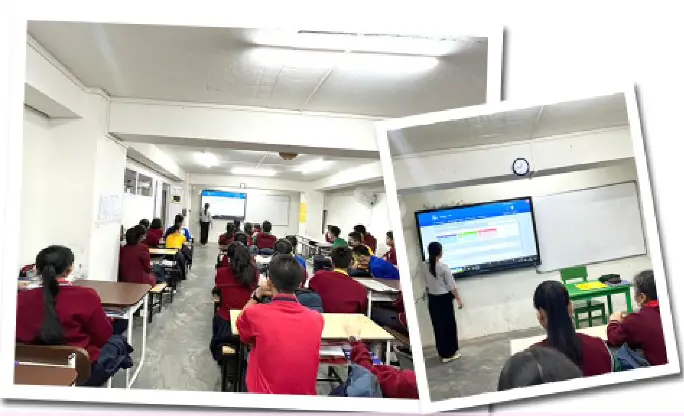
Tokeeppacewiththerapidevolutionofeducationaltechnology,theprimaryobjectiveoftheschoolistotransformeveryclassroomintoasmartclassroom equippedwithadvancedtechnologicaltools.Thisinitiativewill:
- Enhance Audio-Visual Learning: By integrating high-quality audio systems, interactive whiteboards, and projectors, students will experience a more dynamic and engaging learning environment where visual and auditory stimuli complement traditional teaching methods.
- Facilitate Interactive Learning: Smart classrooms will include features like touch screens, digital student response systems, and virtual reality setups, allowing for hands-on interaction with educational content. This interactivity can help in better understanding complex subjects through simulation and practice.
- Promote Collaborative Learning: With tools like smart boards that support multi-touch, students can work together on projects in real-time, fostering teamwork and peer-to-peer learning. Digital platforms will also enable group work that transcends the physical boundaries of the classroom.
- Ensure Accessibility: Technology in classrooms will cater to diverse learning needs, including students with disabilities, by offering customizable learning experiences such as text-to-speech, speech-to-text, and other assistive technologies.
- Support Blended Learning: By merging traditional classroom teaching with online digital resources, smart classrooms can offer a more flexible learning schedule, accommodating different learning paces and styles. This can include access to online courses, educational apps, and interactive e-books.
- Data-Driven Education: The implementation of learning analytics through smart classroom technology will allow teachers to monitor student progress more effectively, tailoring education to meet individual student needs based on performance data.
- Prepare for Future Technologies: Introducing students to technology early on prepares them for a world where digital literacy is crucial. This exposure can make transitions to further education or the workforce smoother, as they will be familiar with technology used in higher education or professional settings.
- Environmental Benefits: Digital resources reduce the need for paper, supporting eco-friendly practices in education. This aligns with broader sustainability goals many educational institutions strive to achieve.